Pigskin vs. Calfskin Lining for Hand-Welted Dress Shoes
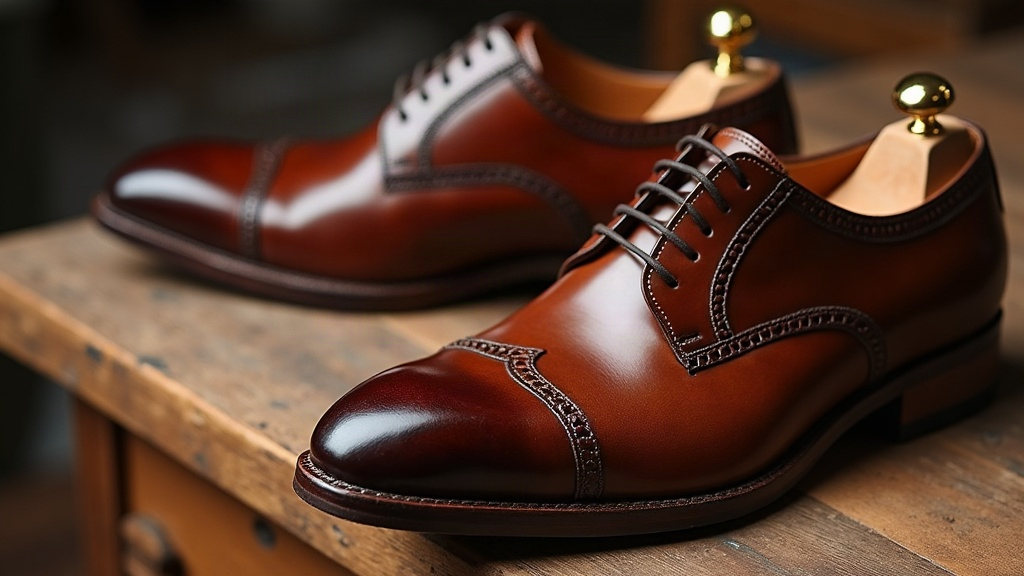
If you’ve ever peeled back the tongue of a pair of good dress shoes and had a look inside, you’ve probably noticed the lining feels nothing like the leather on the outside. The two materials that show up again and again in hand-welted dress shoes are pigskin and calfskin, and whichever one your shoemaker picked actually matters. It affects comfort, how long the shoe lasts, and how the whole thing ages once you’ve put a few hundred wears on it. Pigskin takes the breathability and price category, calfskin takes smoothness and that long-term broken-in feel. Let’s get into it.
Why Lining Material Matters So Much
Think about it: the lining is the one part of the shoe that’s in constant contact with your foot, for eight, ten, sometimes twelve hours a day. Get this wrong and you’re looking at blisters, sweaty socks, or a shoe that rots from the inside while the outer leather still looks brand new. That’s a real problem in hand-welted shoes, since these are built to be resoled again and again over 20-30 years. The lining needs to go the distance too, not just the welt and the sole.
Pigskin Lining: The Breathable Workhorse
Pigskin has been the go-to lining for classic English and American makers for well over a century. There’s a reason it stuck around.
Strengths:
- Natural breathability — pigskin’s pore structure is visibly uneven, almost pocked if you look closely, and that irregularity actually lets more air move through than smoother leathers do. Less foot odor, less moisture sitting against your skin.
- Durability under friction — it shrugs off abrasion. The heel counter and vamp lining can take years of daily wear without thinning out or tearing.
- Lower cost — pigs are simply more abundant than calves, so the leather costs less to source. That’s part of why you’ll find pigskin lining even in solid $400-$700 shoes.
Trade-offs:
- A slightly coarser texture. Some wearers notice it during break-in, especially around the heel.
- Not as visually refined. The grain pattern is distinctive and a little uneven compared to calf.
Calfskin Lining: The Luxury Standard
Calfskin is the material you’ll find lining shoes from the top Northampton makers and the better Italian houses. It’s the benchmark for a reason.
Strengths:
- Exceptionally smooth hand-feel — the tight, fine grain makes for an almost silky interior. Plenty of wearers notice it the moment the shoe touches a bare foot or a thin dress sock.
- Excellent moisture absorption — calfskin soaks up a surprising amount of moisture over a day and releases it slowly, which a lot of people find more comfortable through a 10-hour workday.
- Ages beautifully — just like a calf upper, lining-grade calfskin builds a soft patina over the years and gradually molds itself to your foot.
Trade-offs:
- More expensive, usually reserved for shoes north of $800-$1,000.
- A bit less breathable than pigskin in genuinely hot weather, simply because the grain is tighter.
- Needs more care. Skip conditioning or rotation and it can get delicate faster than pigskin would.
Head-to-Head Comparison
| Factor | Pigskin | Calfskin |
|---|---|---|
| Breathability | Excellent | Very good |
| Smoothness | Good | Excellent |
| Moisture handling | Good | Excellent |
| Durability | Excellent | Very good |
| Cost | Lower | Higher |
| Common price tier | $400-$700 | $800+ |
Which One Should You Choose?
- Hot, humid climates or jobs where you’re on your feet all day: pigskin’s airflow edge usually wins, especially if you’re a heavy sweater.
- Formal buyers chasing pure luxury feel: calfskin’s silky interior is worth paying extra for, particularly if you wear thin dress socks and want that against-the-skin comfort.
- Budget-conscious shoppers who still want real hand-welted quality: pigskin lining gets you genuine hand-welted construction without stacking calfskin prices on top.
- Collectors building out a serious rotation: a lot of them split the difference, pigskin for the everyday pairs, calfskin for the special-occasion shoes.
Care Tips for Both Linings
- Rotate your shoes every 24-48 hours so the lining has time to fully dry.
- Slide in cedar shoe trees right after wearing. They pull out residual moisture before it sits and causes damage.
- Don’t condition the lining directly. Put the conditioner on the outer leather instead and let the natural oils work their way inward.
- Store them in a ventilated shoe bag, never a sealed plastic box. Trapped humidity will wreck either lining faster than you’d think.
Final Verdict
Neither pigskin nor calfskin is the “correct” answer here, they just serve different priorities. Pigskin is the practical pick: breathable, affordable, and tough enough to hold up for decades of hand-welted wear. Calfskin is the indulgent choice, the one for people who want every inch of the shoe, inside and out, to feel like a luxury item. Either way, you’re pairing the lining with hand-welted construction, which means you’re already buying something meant to be resoled and worn for the long haul. So choose based on how you’ll actually wear the shoes, not just what sounds nicer on paper.