Spring Rain Prep for Heavy Veg-Tan Motorcycle Saddlebags
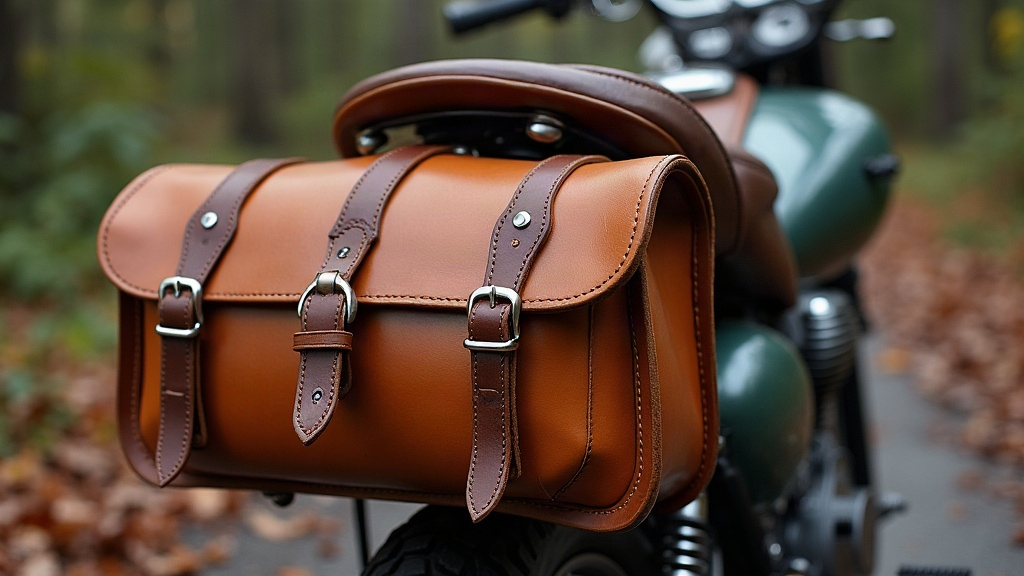
Spring showers don’t ask for permission, and if you’re running heavy vegetable-tanned leather saddlebags, that unpredictability can get expensive fast when your gear isn’t prepped right. Veg-tan leather is gorgeous, tough, and ages into a patina that chrome-tanned stuff just can’t match. But it’s also thirstier and more reactive to water than coated leathers. This guide walks through exactly how to get your saddlebags ready before the rainy season sets in, so water stains, stiff spots, and mildew don’t become your problem later.
Why Veg-Tan Leather Needs Special Attention Before Rain
Vegetable tanning relies on natural tannins instead of chromium salts, which is what gives the leather that warm tone and firm, almost structural hand-feel. The tradeoff? Absorbency. Leave it unprotected and veg-tan leather will:
- Darken unevenly when rain hits it, leaving blotchy watermarks that are hard to blend back
- Stiffen up as it dries, particularly if it dries too fast near a heat vent or radiator
- Lose its natural oils over a season, turning brittle and crack-prone
- Grow mold or mildew if it’s stashed away damp inside saddlebag compartments
None of that has to happen, though. A real spring prep routine, done properly, handles each of these risks before you ever get caught in a downpour on the highway.
Step 1: Clean Before You Condition
Don’t slap waterproofing on top of winter grime, road salt residue, or old wax buildup, it just traps the gunk in. Start with a dry, soft-bristle brush and work it into the seams and around the buckles to knock loose dust and debris. From there, use a leather-specific cleaner (skip the dish soap, skip anything from under the kitchen sink) on a damp, not wet, cloth. Work it in with small circular motions. Then let the bags air dry somewhere away from direct sun or vents for at least 12 hours. Patience here pays off later.
Step 2: Condition to Restore Flexibility
After a dry winter, heavy veg-tan leather is usually thirsty for oil. Pick a conditioner made for vegetable-tanned leather specifically:
- Neatsfoot oil – penetrates deep, good pick for bags that feel stiff or dried out
- Beeswax-based balms – adds moisture plus a light water-repellent layer in one step
- Lanolin creams – gentler option, works well on lighter veg-tan that you don’t want darkening too much
Apply it in thin layers with a lint-free cloth, give it 20-30 minutes to soak in, then buff off whatever’s left on the surface. Two thin coats always beat one thick coat, piling it on just leaves a tacky film that grabs dust like a magnet.
Step 3: Waterproof Without Suffocating the Leather
This is where a lot of riders go wrong. Veg-tan leather needs to breathe, so steer clear of silicone sprays with a plastic base, they seal the pores shut completely. Instead:
- Reach for beeswax or paraffin-based waterproofing waxes, the kind used on leather work boots
- Apply with a cloth in thin, even passes, paying extra attention to seams, bottom corners, and flap edges since those take the brunt of water exposure
- Warm it lightly with a hairdryer on low to help the wax soak in, then buff until you get a soft sheen
Plan on reapplying every 4-6 weeks through peak rainy season. If you’re riding daily, bump that up.
Step 4: Protect the Stitching and Hardware
It’s not just the leather at risk, water rusts rivets, snaps, and buckles, and it rots the thread over time. Work a small amount of conditioner directly into the stitching lines, and consider a light coat of corrosion-inhibiting spray on the metal hardware. Wipe it clean afterward so it doesn’t leave a stain on the leather.
What to Do If Your Saddlebags Get Soaked Anyway
Even a well-prepped bag can end up fully drenched when a storm sneaks up on you. If that happens:
- Pull the contents out right away and wipe off any standing water with a dry towel
- Loosely stuff the bags with newspaper or a towel so they hold their shape while drying
- Let them dry at room temperature, away from direct heat or sunlight, which realistically takes 24-48 hours
- Once they’re fully dry, recondition the leather, since all that water pulled the natural oils right out
Skip the hairdryer on high heat, and don’t set the bags near a radiator. Fast drying is the single biggest cause of cracking in veg-tan leather.
Storage Tips for the Rainy Season
- Keep a breathable cotton or canvas rain cover tucked in your saddlebag for when a downpour catches you off guard
- When the bags are off the bike, store them somewhere dry and ventilated, not sealed inside a plastic bin
- During humid stretches, check for mildew spots weekly; a vinegar-water wipe at a 1:4 ratio knocks out early mold before it spreads
Final Thoughts
Heavy veg-tan saddlebags handle spring rain just fine, they just need a little prep work first. Clean them properly, condition to put the oils back, waterproof with a breathable wax instead of a sealant, and know your recovery steps in case a storm does catch you. Thirty minutes of maintenance now can add years to your saddlebags, and that patina only gets richer with every ride.