Shell Cordovan Three-Pocket Card Holders: A Maker's Guide
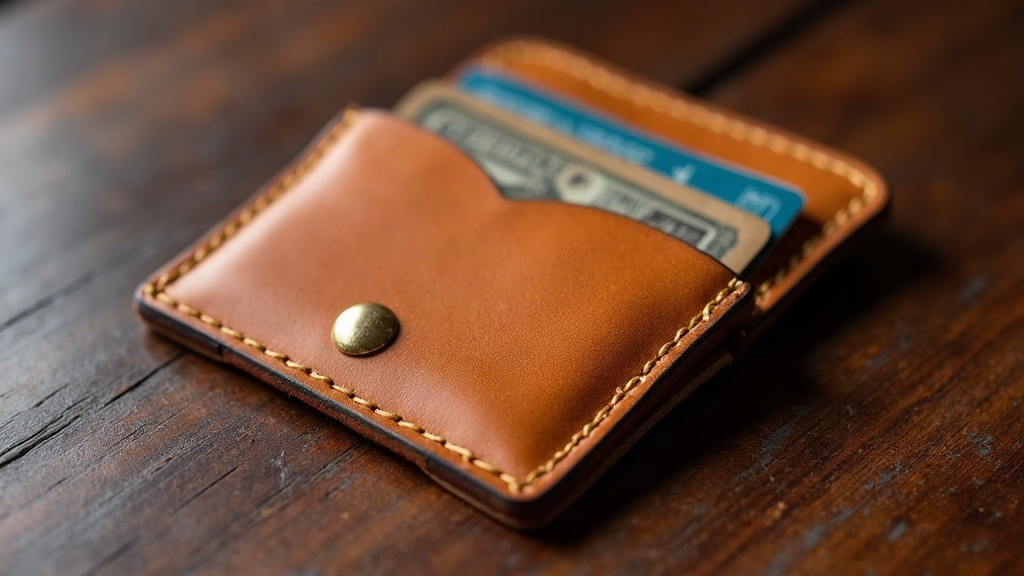
Shell Cordovan for a Three-Pocket Card Holder: A Maker’s Guide
Shell cordovan sits at the top of the leather hierarchy when it comes to small goods, and a stripped-down three-pocket card holder is probably the best way to show off what makes it special. This guide covers why cordovan handles so differently from calfskin or veg-tanned cowhide, and walks through designing, cutting, and finishing a card holder built to last decades rather than years.
What Makes Shell Cordovan Different
Here’s the thing most people don’t realize: shell cordovan isn’t really “leather” in the usual sense. It’s cut from the fibrous shell membrane tucked beneath the hide, in the horse’s hindquarters. That origin gives it a handful of traits you won’t find in cowhide:
- Dense, non-porous fiber structure. No visible grain, no pores. Run your thumb across it and it feels almost like a different material entirely.
- It compresses instead of cracking. Fold a piece of cowhide hard enough and you get a permanent crease. Cordovan rolls instead, developing those soft, wave-like wrinkles people call “shell cordovan ripples.”
- Brutal cost per hide. Each horse produces only two shells, each roughly 12x12 inches. That’s it. No amount of careful sourcing changes that math.
- A glazed, waxy finish built up over months, sometimes six or more, through hand-shining with cordovan wax. It’s slow work, and it shows in the price.
Given how dense and expensive the material is, cordovan practically demands a minimalist approach. A three-pocket card holder is small enough to use scraps efficiently, and simple enough that the leather’s own shine becomes the whole point.
Why Three Pockets Is the Sweet Spot
Compare this to a bifold with six or eight card slots stuffed in. A three-pocket layout keeps the piece thin enough for a front pocket, while still giving you a logical way to sort your cards:
- Front pocket - the cards you grab daily (debit card, transit pass)
- Middle pocket - ID, or whichever card gets swiped most
- Back pocket - folded cash or backup cards
Fewer pockets also means less stitching and less skiving, and that matters more with cordovan than with almost any other leather. Veg-tanned cowhide is forgiving. It hides a shaky stitch line or a stray tool mark pretty well. Cordovan, once glazed, hides nothing.
Cutting and Pattern Considerations
With each shell measuring around 12x12 inches, how you lay out your pattern pieces basically decides your profit margin:
- Nest the pieces tight. Plan well and a single shell can yield two, sometimes three, card holders.
- Watch for natural creases and veins in the shell, those faint lines running through the surface. Work your pattern around them rather than through them.
- Keep your blade sharp. A swivel knife or rotary cutter that glides through cowhide will dull noticeably faster on cordovan, simply because the fiber is so dense.
One nice shortcut: cordovan doesn’t really need traditional edge beveling. The density lets you burnish a clean edge directly, with barely any edge paint or gum tragacanth needed.
Stitching and Assembly Tips
- Thread: waxed linen or polyester, 0.6-0.8mm, gives you a refined line without looking flimsy.
- Pre-punch your holes with a fine pricking iron, about 1mm spacing works well for a card holder. Cordovan resists a needle far more stubbornly than softer leathers, so don’t skip this step.
- Go easy on skiving. Veg-tanned hide thins out predictably. Cordovan doesn’t. Skive too aggressively and you’ll expose the fibrous core underneath, which ruins the glaze permanently.
- Glue lightly at the pocket edges before you stitch, just enough to hold alignment. Contact cement grips cordovan’s waxy surface far better than paste glue does.
Finishing and Edge Work
This is where cordovan rewards patience. Water, a little beeswax, and friction from a wood or canvas slicker are all you need to get a glassy, burnished edge. No heavy edge paint required. It keeps the whole piece looking minimal and lets the leather’s natural tone show through cleanly.
Caring for a Shell Cordovan Card Holder
- Wipe it down with a soft cloth after heavy use. This redistributes the natural oils sitting in the fiber.
- Keep it away from heavy water exposure. Cordovan can spot if it gets properly soaked.
- A quick buff now and then brings the shine right back, no conditioner needed. Thanks to its wax content, cordovan is pretty much self-conditioning.
- Within a few weeks of regular carry, you’ll see those rolling ripples start to form. That’s not wear and tear, that’s the leather doing exactly what it’s supposed to do.
Common Mistakes to Avoid
- Sanding too aggressively. Because of the density, a few extra passes can strip away more material than you intended, and there’s no putting it back.
- Loading up on hardware. Snaps, rivets, heavy clasps, they all compete with the leather’s own texture. Keep hardware minimal, or leave it off entirely.
- Cutting against the grain flow. Cordovan has a natural directionality tied to the horse’s anatomy. Ignore it and you’ll get subtle rippling across the finished piece that has nothing to do with aging.
Conclusion
Making a three-pocket card holder out of shell cordovan is less about technical mastery and more about knowing when to hold back. Minimal stitching. Minimal hardware. A pattern layout planned with real care. Do that, and the leather’s glaze and natural movement will do most of the talking on their own. The result isn’t just a wallet alternative, it’s a small object that actually gets better the more you use it, often for decades, which goes a long way toward justifying the steep price tag and the material’s quirks for anyone who wants to build something that genuinely lasts.